

Excavation service providers play a crucial role in the construction process in the province of Ontario, serving as the cornerstone for numerous projects, from housing constructions to major business constructions. Grasping the complexities of excavation is crucial, notably in a area characterized by its distinctive geological and climatic conditions. As land is prepared for construction, contractors must address multiple challenges, including soil types, the depths of the frost line, and the importance of following local regulations and safety standards.
In this write-up, we will examine the multifaceted responsibilities of excavation contractors in Ontario, providing a complete guide that covers everything from essential site preparation checklists to the complexities of winter excavation and the treatment of excess soil. By emphasizing important factors and best practices, we aim to prepare property owners and developers with the insight needed to ensure a effective excavation process while reducing risks and avoidable costs. Whether you are considering a new home build or working on a commercial project, grasping the role of excavation contractors can substantially affect the outcome of your construction efforts.
Grasping Ontario's Excavating Guidelines
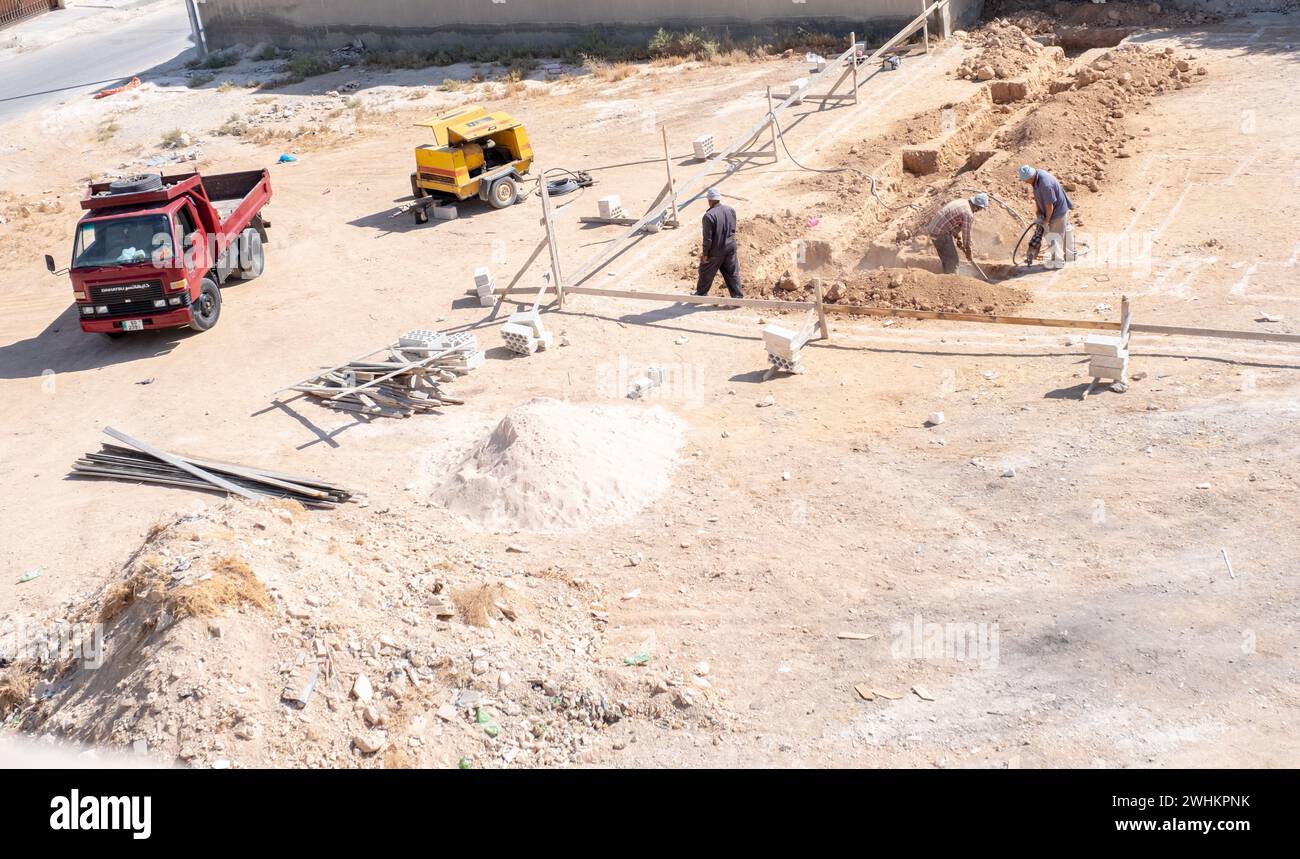
Excavation professionals in Ontario function within a structure of regulations designed to promote safety, nature conservation, and adherence with city requirements. These regulations can change significantly based on location and kind of project. Professionals must familiarize themselves with local ordinances, state rules, and specific directions pertinent to their job site. Understanding these regulations is essential to prevent fees and task holdups, making it necessary for workers to remain aware on zoning regulations, construction codes, and wellness and safety requirements.
A key factor of digging rules in Ontario involves underground service oversight. Ahead of any excavation activity, contractors must get in touch with Ontario One Call, a service that locates and marks the presence of subsurface lines. https://zenwriting.net/excavationcontractor878/digging-professionals-your-complete-resource-to-earthmoving-companies-in-the ensures that workers do not unintentionally hit natural gas, hydraulic, or electrical lines, which can present serious hazard risks and cause costly interruptions. Failure to adhere with this obligation can result in severe sanctions and legal liabilities.
Furthermore, dealing with surplus soil is another key guideline factor. In accordance with the Excess Soil Management Regulation, professionals must follow strict guidelines for the handling, carriage, and disposal of excess soil produced during excavation. This regulation is designed to lessening environmental effects and guarantees that soils are treated responsibly. Excavation contractors are required to have a detailed plan for soil management, including transportation and documentation, guaranteeing compliance with nature agencies and encouraging sustainable methods in development.
Key Techniques in Successful Excavation Projects
Successful excavation projects hinge on a blend of effective planning and the right techniques. One crucial technique is detailed site assessment, which involves evaluating the soil composition, underground utilities, and the layout of the land. Excavation contractors conduct thorough surveys and subsurface investigations to detect challenges such as compacted clay soil or a significant water table. These insights enable them to devise tailored strategies that lessen risks and optimize the excavation process.
Another essential technique is the use of appropriate equipment. Depending on the project's scale and particular requirements, contractors must choose between small excavators, standard excavators, and skid steers. Each machine has its advantages, and choosing the appropriate one can considerably influence excavation productivity and safety. Additionally, employing advanced techniques such as hydro excavation allows contractors to reveal buried utilities without harming them, which is especially important in urban environments.
Finally, adhering to safety regulations and optimal practices throughout the excavation process cannot be neglected. Contractors in Ontario must navigate rigorous regulations set by the Ministry of Labour concerning trenching safety and shoring. Implementing strong safety measures, including protective barriers and proper excavation techniques, safeguards both workers and the site. By focusing on evaluation, equipment selection, and rigorous safety practices, excavation contractors can ensure successful project outcomes that meet both client needs and legal standards.
Handling Excavating Issues in Ontario
Excavation jobs in Ontario often face various issues that can impact timelines and financial plans. One key challenge is the measurement of the frost depth, which can alter excavation strategies for base work during colder seasons. Excavation teams must be informed about the specific measurements for various regions to ensure that the base remains stable and that any frost problems are addressed. This necessitates meticulous planning and compliance to regional guidelines to avoid costly setbacks.
Soil conditions also present challenges for digging tasks. In Commercial Excavation as the GTA, thick clay-rich soil can hinder excavation operations due to its weight and structural issues. Handling such materials demands the correct equipment and methods to mitigate potential issues, such as foundation cracking or issues with water drainage. Contractors must utilize methods to deal with these soil types effectively, including testing for soil compaction and knowing how to improve foundation strength before placing footings.
Furthermore, understanding regulatory environments is crucial for successful excavation projects. In the province of Ontario, builders must comply with numerous local laws, such as those concerning the management of soil and conservation authority approvals. For case in point, understanding the requirements of the province’s rules on excess soil and securing necessary approvals from regional conservation authorities is essential to eliminate litigation and ensure ecological safety. Knowledge of these regulations helps streamline the digging process and prevents delays that can arise from failing to comply.