

In the heart of the province of Ontario construction landscape, excavation professionals play a key role in transforming visions into reality. From preparing the foundation for houses to developing commercial sites and managing complex urban projects, these experts are essential for ensuring secure and effective site preparation. As construction demands escalate across the province, understanding the aspects of excavation—such as frost depth, soil types, and regulatory compliance—has never been more vital for builders and property owners alike.
This detailed guide delves into multiple aspects of excavation in the area, emphasizing essential considerations like safety standards, excavation expenses, and techniques suited for different Ontario terrains. Whether you're planning a residential build, facing the obstacles of heavy clay soil in the Greater Toronto Area, or undertaking a commercial project with tight access constraints, having the correct information and skilled contractor can make all the impact in your construction journey.
Digging Guidelines and Standards in Ontario
Digging tasks in Ontario Province must follow rigorous guidelines and standards to guarantee safety, environmental protection, and adherence with regional laws. One of the main regulations is the Ontario Ministry of Labour's requirements for trenching safety and supporting structures. Contractors are required to carry out suitable safety measures when excavating profound trenches to prevent cave-ins, and specific designs must be followed based on the conditions of the site.
Another critical aspect of digging in Ontario involves obtaining the required permits from conservation authorities in the area. These licenses ensure that the excavation does not harm the surrounding environment, especially in areas near bodies of water or within established protected areas. Homeowners and contractors should get acquainted with the permitting process to prevent delays in their projects.
Additionally, gaining an understanding of and adhering to the Province of Ontario's Excess Soil Management Rules is essential for responsible excavation. These regulations govern the manner in which excess soil should be handled, including the locations where it can be disposed of and the methods by which it must be transported. Adherence not only protects the natural surroundings but also helps contractors avoid heavy penalties and enhances relationships with the community.
Navigating Earth and Weather Challenges in Digging
Excavation in Ontario often presents unique difficulties due to diverse ground types and unpredictable climate patterns. Dense clay earth, common in many regions, can complicate excavation operations by increasing machinery wear and making soil removal more difficult. Builders need to utilize particular methods and equipment designed for clay, such as using larger buckets on diggers to effectively manage and transport the heavier material. Understanding https://clausen-ford.thoughtlanes.net/paving-the-path-the-role-of-ontario-excavation-contractors-help-build-tomorrows-infrastructure is crucial for planning and executing successful digging projects.
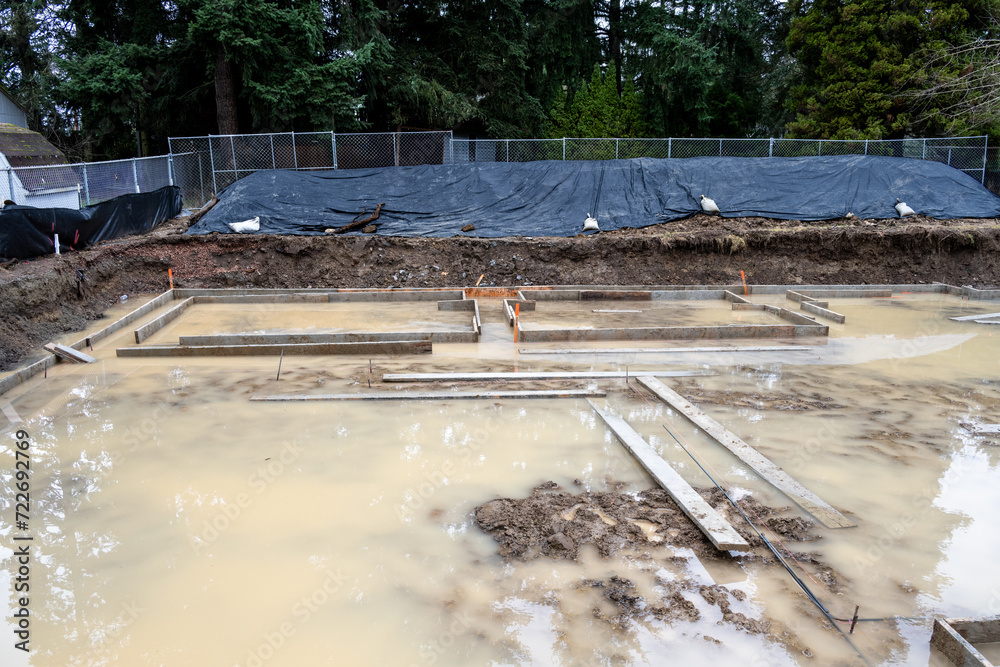
Weather factors also play a critical role in digging operations. Ontario's winters can be severe, necessitating contractors to adopt tactics for working in icy terrain. Specialized gear like frost drills and using appropriate de-icing techniques are often necessary to enable safe and efficient excavation in colder months. Additionally, controlling groundwater and runoff in the spring thaw or heavy rainfall can present significant logistical issues. Implementing efficient dewatering techniques can reduce these risks and ensure project schedules are adhered to.
Finally, soil erosion and silt control are crucial considerations, especially adjacent to water bodies and conservation areas. Complying to local regulations regarding ground disturbance and implementing efficient erosion control methods not only safeguards the ecosystem but also improves project compliance. Ensuring adequate grading, silt blankets, and sediment fences can significantly minimize the risk of environmental damage, enabling for a more seamless digging process while safeguarding the natural landscapes.
Fundamental Factors for Choosing Earthmoving Contractors
When hiring earthmoving companies in Canada, one of the first factors to evaluate is their experience and expertise in managing the specific kind of job you have in mind. Various projects, whether residential or commercial, may require specialized knowledge, especially in areas such as environmental regulations, soil quality, and safety protocols. Look for contractors who have a proven track record in related jobs and can provide testimonials or case studies that highlight their capability.
It is also important to evaluate the contractor's conformance with local laws and safety protocols. Make certain they are familiar with the Ontario Ministry of Labour standards, and have all necessary permits and certifications to function legally. Asking about their safety protocols, training programs, and equipment maintenance practices can give you an understanding into their professionalism and devotion to maintaining your job site secure.
Ultimately, clarity in pricing and contract conditions is paramount. Before making a decision, obtain itemized estimates from various companies, factoring in potential additional costs associated with unforeseen circumstances, such as poor soil conditions or dewatering needs. Excavation Companies should be prepared to communicate these issues honestly and provide definitive, documented contracts detailing the scope of work, timelines, and payment schedules. This will help prevent confusion and ensure that both parties are aligned on the project's expectations.