

Excavation undertakings represent a crucial aspect of building and progress in Ontario, whether for private residences, commercial properties, or public works. Comprehending the local laws, environmental conditions, and proven techniques is essential for achieving a effective and protected excavation process. Including managing the intricacies of the depths of frost lines to recognizing the importance of controlling erosion, Ontario's top excavation contractors have valuable knowledge to share.
In this guide, we will examine key trends and necessary suggestions drawn from industry experts who have honed their skills in the unique challenges presented by Ontario's varied landscapes. Whether Excavation Contractor are a homeowner thinking about a new build or a contractor seeking to improve your techniques, these insights will guide you traverse the challenges of excavation in the province and achieve your project goals effectively and smoothly.
Canada Frost Line Depths and Excavation Requirements
Knowing the depth of the frost line is crucial for digging tasks in Ontario, notably when it comes to foundation preparation. The frost line, also known as frost depth, refers to the depth at which the ground hardens during winter. In Excavation Companies , this depth can vary widely based on the geographical area, with deeper frost lines typically found in northern regions. Contractors must take into account these depths when excavating for foundations to avoid frost heaving and ensure a stable structure.
When preparing a foundation excavation, it is essential to know the regional frost line depth to determine how deep the footings need to be placed. This preparation helps prevent future problems like cracking or moving due to frost. Properly excavating below the frost line not only supports a solid foundation but also mitigates the risks associated with the freeze-thaw process that can compromise the integrity of structures in the long run.
In addition to frost line considerations, contractors should include best practices in their excavation methods. This includes using proper equipment for digging and ensuring that the site is adequately graded to promote drainage. Adding these elements into excavation plans can greatly contribute to a favorable home build or renovation project, keeping the enduring stability of the structure in mind.
Safety Regulations and Best Practices in Excavation
Understanding and adhering to security regulations is vital for any excavation project in Ontario. The Ontario Ministry of Labour sets clear guidelines that construction firms must adhere to to ensure employee safety on site. This includes performing thorough site assessments, using suitable personal protective equipment, and putting in place safety protocols such as supporting trenches. Adherence not only safeguards workers but also reduces the chance of assignment delays and expensive fines resulting from regulatory breaches.
In addition to governmental regulations, best practices contribute significantly to a secure digging setting. Contractors should create a detailed safety plan that comprises frequent education for every on-site workers. Involving in preventive discussions about possible dangers and encouraging a environment of safety can significantly lower the likelihood of incidents. Additionally, the application of technology, such as locators for subsurface utilities, enhances safety by avoiding unintentional strikes.
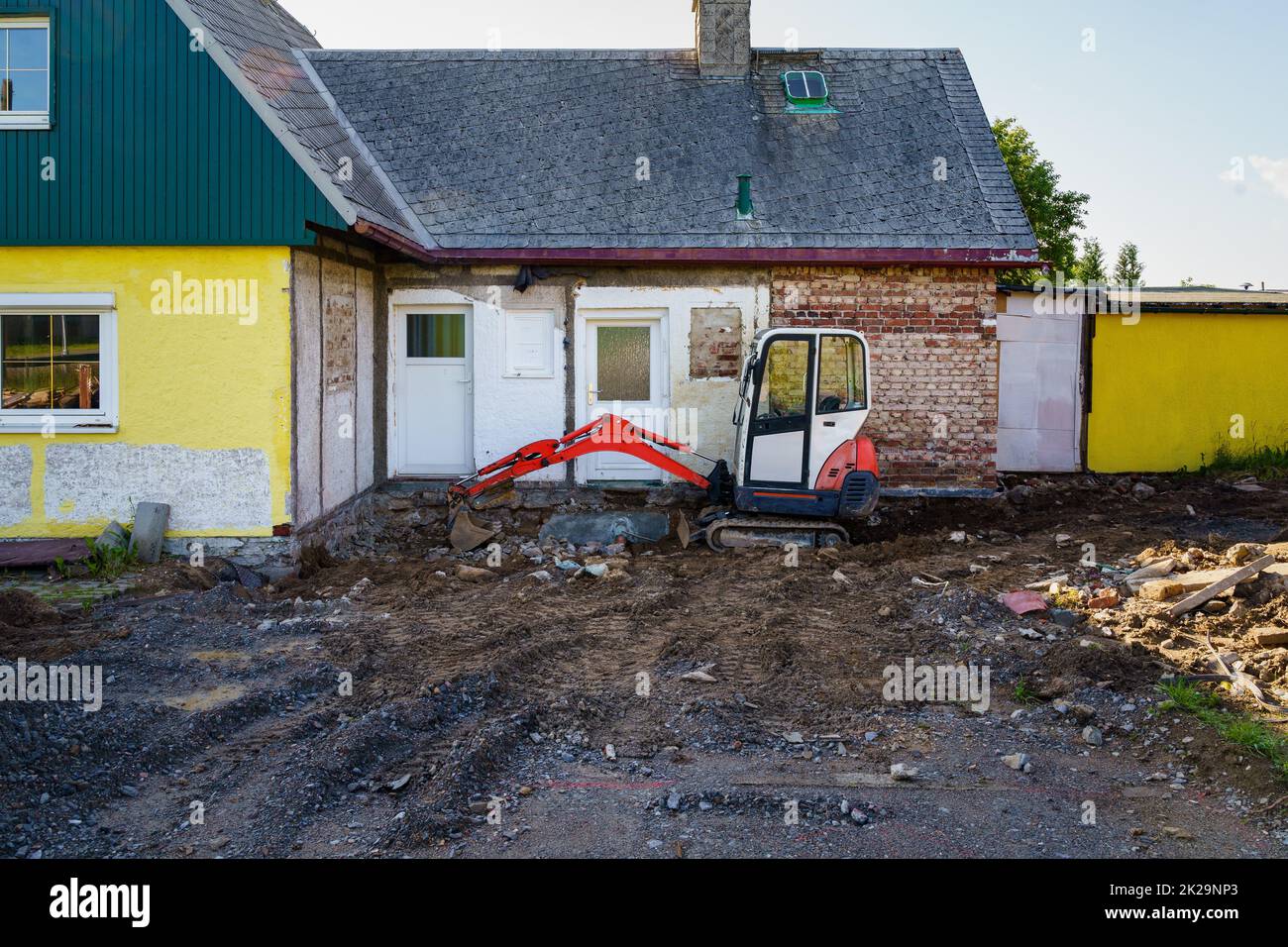
Crisis readiness is a further vital aspect of excavation safety. Construction firms must have definite procedures in place for possible emergencies, including incidents involving large equipment or dangerous substances. Regularly timed exercises can assist confirm that every employees are aware how to respond effectively in a crisis. By focusing on these measures, digging firms in Ontario can create a more secure work environment that in the end benefits both employees and assignment outcomes.
Cost Factors and Site Preparation for Excavation Projects
When planning an excavation project in Ontario, comprehending the cost factors is essential for budgeting effectively. Multiple factors influence excavation expenses, including site location, type of soil, and excavation depth. For example, projects in cities may incur additional costs due to limited access and the need for shoring or underpinning. Additionally, the presence of clay-rich soil, particularly in the Greater Toronto Area, can complicate excavation and raise costs due to the equipment and methods required to handle such substances.
Effective site readiness can greatly streamline the excavation process and reduce unforeseen expenses. An essential list of tasks should include removing the area of any debris, ensuring service lines are identified through Ontario One Call, and assessing drainage concerns. This readiness helps in avoiding delays and safety hazards during excavation. Moreover, comprehending local regulations, such as those related to septic tank and leaching bed excavations in rural areas, is crucial to remaining compliant and avoiding expensive penalties or project revisions.
Another key aspect of site preparation is managing the effects of seasonal weather conditions on excavation tasks. Cold weather excavations, for instance, demands specialized techniques to safely dig through frozen soil. Additionally, handling mud season and seasonal flooding requires thoughtful planning to ensure the site remains reachable and safe for staff. Addressing these site readiness challenges not only enables smoother project management but also helps in maintaining budget integrity while adhering to local laws.